

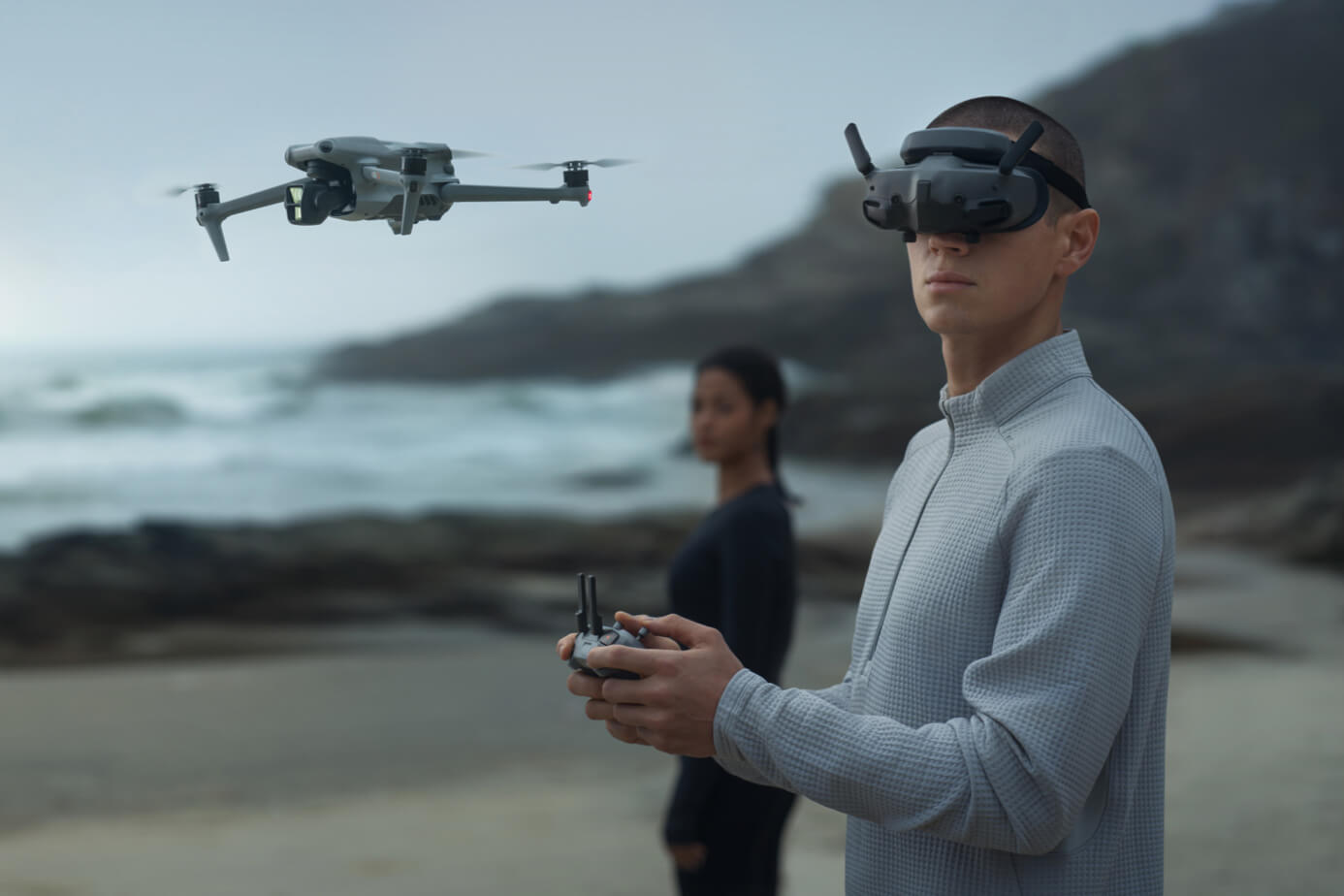
FPV flying is all about immersion. Whether you’re racing an FPV drone, capturing aerial footage, or simply enjoying the feeling of flying from a first-person perspective, a good pair of FPV goggles can make a huge difference.
The latest FPV goggles combine high-resolution displays, low-latency video transmission, comfortable designs, and advanced connectivity features. Some models also use Micro-OLED displays to deliver sharp images, deep blacks, and impressive contrast.
In this guide, we’re looking at 4 of the best DJI Goggles 3 and other FPV goggles worth considering in 2026. These options are aimed at different types of pilots, from beginners and casual flyers to experienced FPV enthusiasts.
Amazon Associate Disclosure: As an Amazon Associate, we may earn from qualifying purchases made through links on this page.
1. DJI Goggles 3
DJI Goggles 3 is one of the most recognizable options for pilots who want a premium FPV viewing experience. Designed to work with compatible DJI products, these goggles combine high-quality displays with a modern design and several features aimed at improving the flying experience.
The goggles feature dual Micro-OLED displays that provide a detailed and immersive view. The high-resolution screens are particularly useful when you’re flying in environments where being able to see fine details matters.
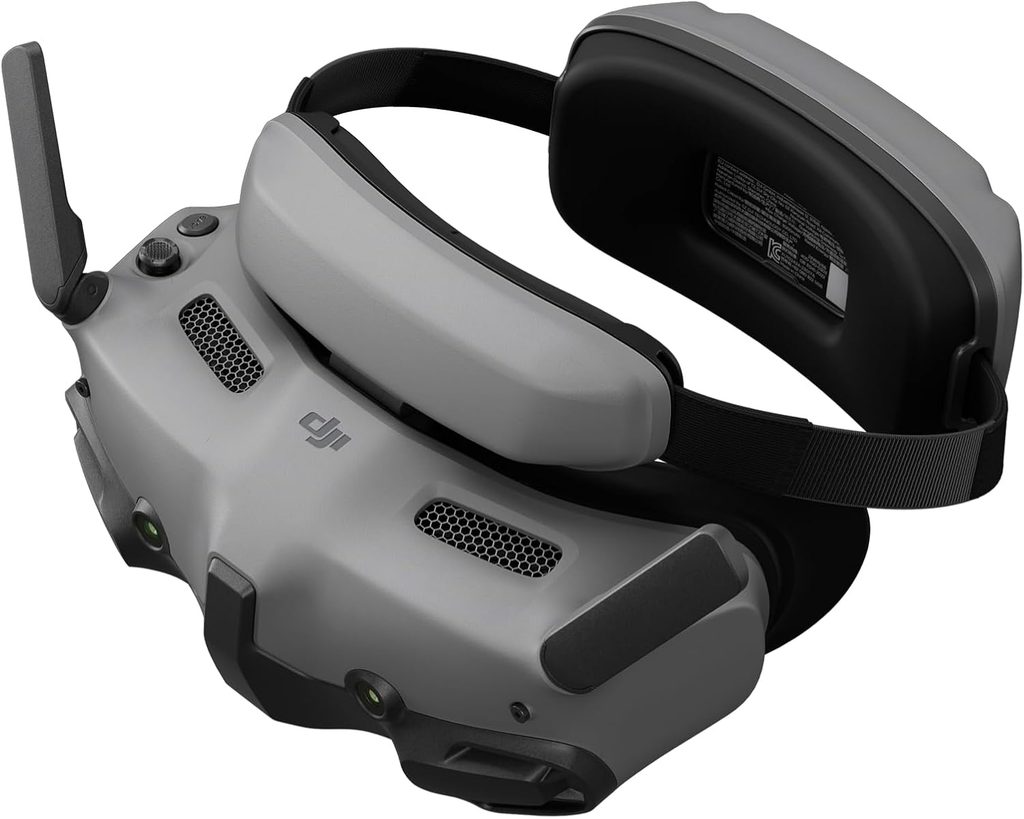
One of the major advantages of DJI Goggles 3 is its integration with DJI’s ecosystem. If you’re already using compatible DJI FPV equipment, staying within the same ecosystem can make setup and operation easier.
The goggles also feature a comfortable design intended for longer flying sessions. Built-in functionality and a streamlined interface make them appealing to users who want a more polished experience rather than a basic FPV headset.
Key Features
- Dual Micro-OLED displays
- High-resolution immersive viewing
- Designed for compatible DJI FPV products
- Integrated head tracking capabilities
- Adjustable diopter support
- Modern and comfortable design
- Suitable for immersive FPV flying
Pros
- Excellent display quality
- Immersive Micro-OLED screens
- Strong integration with compatible DJI equipment
- Premium overall design
Cons
- Best suited to users within the compatible DJI ecosystem
- Premium pricing compared with basic FPV goggles
Best For
DJI Goggles 3 is a strong choice for pilots who want premium FPV viewing and already use compatible DJI equipment.
2. DJI Goggles 2
DJI Goggles 2 remains an attractive option for FPV pilots who want a compact headset with high-quality displays.
The goggles use Micro-OLED technology to provide a sharp and immersive viewing experience. Their relatively compact design makes them convenient for pilots who don’t want a bulky headset.
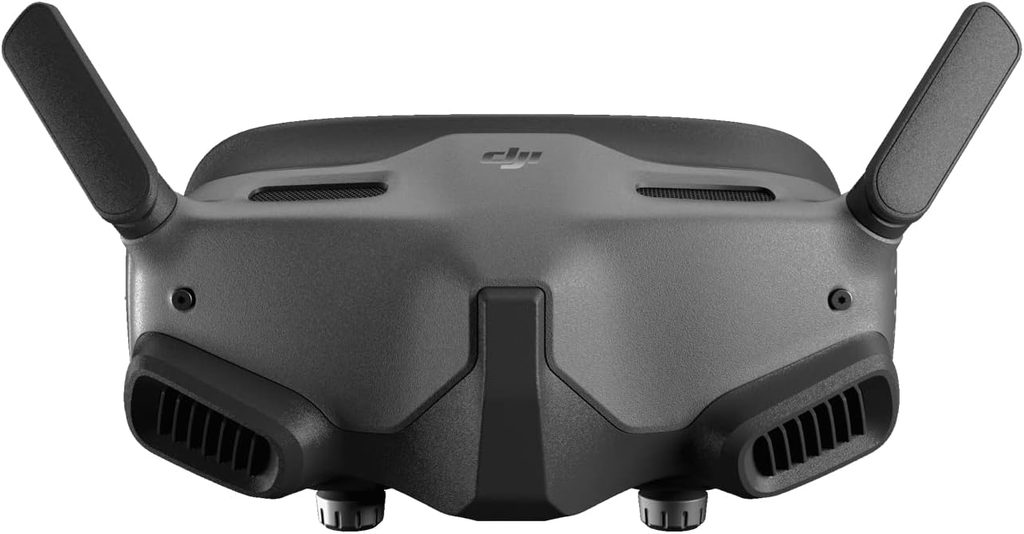
One of the biggest advantages of DJI Goggles 2 is the balance between display quality, portability, and functionality. For compatible DJI setups, they can provide a polished FPV experience without taking up excessive space.
If you’re comparing DJI Goggles 2 with newer models, you should carefully check compatibility with your specific drone and transmission system before purchasing.
Key Features
- Dual Micro-OLED displays
- High-resolution viewing
- Compact design
- Adjustable diopter
- DJI ecosystem compatibility
- Designed for immersive FPV use
Pros
- Excellent display technology
- Compact and lightweight design
- Good image quality
- Convenient for compatible DJI setups
Cons
- Compatibility should be checked before purchase
- Newer DJI goggles may offer additional features
Best For
DJI Goggles 2 is a good option for pilots looking for premium Micro-OLED FPV goggles in a compact design.
3. DJI Goggles Integra
DJI Goggles Integra is designed for pilots who want a straightforward FPV experience with an emphasis on comfort and convenience.
One of its notable design choices is the integrated battery concept, which can simplify cable management compared with traditional goggles that use a separate battery pack.
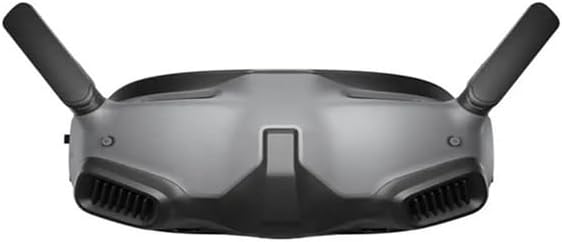
The headset provides a high-quality immersive display and is designed for use with compatible DJI FPV products. Its comfortable fit can also be helpful for longer flying sessions.
For buyers who don’t necessarily need every feature found on the latest premium model, DJI Goggles Integra can still be worth considering if it is compatible with their existing equipment.
Key Features
- High-quality Micro-OLED displays
- Integrated battery design
- Adjustable diopter
- Comfortable FPV headset design
- DJI ecosystem compatibility
- Immersive viewing experience
Pros
- Convenient battery design
- Good display quality
- Comfortable for extended use
- Good option for compatible DJI systems
Cons
- Compatibility varies by setup
- Some newer features are available on newer models
Best For
DJI Goggles Integra is best suited to pilots who value convenience and want a clean, comfortable FPV setup.
4. Walksnail Avatar HD Goggles X
Walksnail Avatar HD Goggles X is an interesting alternative for FPV pilots who don’t want to limit themselves to the DJI ecosystem.
These goggles are designed around Walksnail’s digital FPV system and provide a high-quality viewing experience for compatible Walksnail hardware.
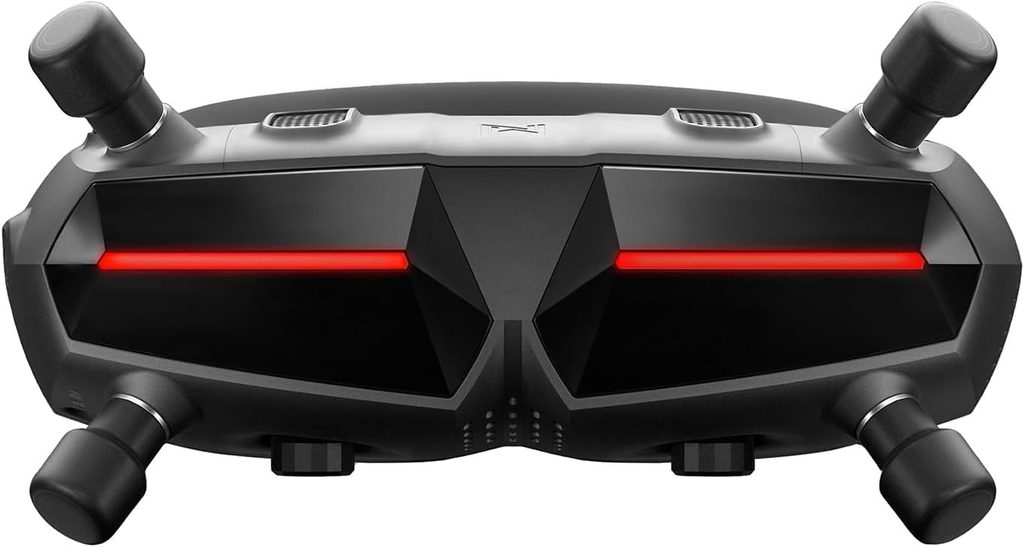
The headset is particularly appealing to FPV enthusiasts who are building or upgrading a digital FPV setup and want a flexible alternative to DJI.
As with any FPV goggles, compatibility is extremely important. Make sure the goggles work with your drone, video transmitter, and other components before placing an order.
Key Features
- HD digital FPV support
- High-quality display system
- Designed for Walksnail Avatar hardware
- Suitable for digital FPV builds
- Compact FPV headset design
- Adjustable viewing options
Pros
- Strong alternative to DJI
- Designed for digital FPV
- Good image quality
- Suitable for advanced FPV setups
Cons
- Requires compatible Walksnail equipment
- Not intended as a universal FPV headset
Best For
Walksnail Avatar HD Goggles X is a good choice for FPV pilots building around the Walksnail digital FPV ecosystem.
How to Choose the Best FPV Goggles
Choosing FPV goggles isn’t simply about finding the headset with the highest resolution. The right option depends heavily on your drone, video transmission system, flying style, and budget.
Here are the most important factors to consider.
Display Quality
The display is one of the most important parts of an FPV headset.
Micro-OLED displays can provide excellent contrast, deep blacks, and detailed images. This can make the FPV experience more immersive and help you see important details while flying.
However, display specifications should not be considered in isolation. Latency, image processing, field of view, and transmission quality also affect the overall experience.
Video Transmission Compatibility
Before buying FPV goggles, check which video transmission system your drone uses.
DJI, Walksnail, and other FPV systems aren’t automatically interchangeable. A headset designed for one digital transmission ecosystem may not work with another system.
This is one of the most important things to verify before purchasing.
Latency
Low latency is especially important for FPV racing and fast flying.
The less delay between the camera capturing an image and the pilot seeing it inside the goggles, the more responsive the flying experience can feel.
For casual flying, latency may be less critical. For racing or aggressive freestyle flying, it becomes much more important.
Comfort
FPV pilots can spend a significant amount of time wearing their goggles, so comfort matters.
Look for features such as:
- Adjustable head straps
- Comfortable face padding
- Adjustable optical settings
- Reasonable weight
- Good balance
- Suitable fit around the face
A headset with excellent specifications isn’t very useful if it becomes uncomfortable after a short flying session.
Field of View
Field of view affects how immersive the experience feels.
A wider field of view can make FPV flying feel more natural and engaging. However, the ideal field of view is partly a personal preference.
If you’re primarily racing, you may prefer a different viewing experience than someone who uses FPV for cinematic flying.
Battery System
Pay attention to how the goggles are powered.
Some models use external batteries, while others offer more integrated power solutions. An integrated system can reduce cable clutter, while an external battery can provide flexibility for longer sessions or replacement.
Compatibility With Your Drone
This should be your first check before buying.
Don’t assume that two FPV products will work together simply because they are both digital. Check the manufacturer’s compatibility information for your specific drone, camera, video transmitter, and goggles.
Micro-OLED vs Traditional FPV Displays
Micro-OLED technology is becoming increasingly popular in premium FPV goggles because of its excellent contrast and image quality.
Traditional display technologies can still provide a good experience, particularly when paired with a capable digital transmission system.
For many buyers, the difference will be most noticeable in areas such as contrast, black levels, image detail, and overall immersion.
However, display technology shouldn’t be the only deciding factor. A headset with a great display may not be the right choice if it isn’t compatible with your FPV system.
DJI Goggles 3 vs Other FPV Goggles
DJI Goggles 3 is particularly appealing to users who want a polished ecosystem experience.
DJI’s biggest advantage is the integration between compatible products. If you’re already using compatible DJI equipment, choosing DJI goggles can simplify your setup.
On the other hand, Walksnail and Skyzone provide alternatives for pilots who want different hardware ecosystems or more flexibility in building their FPV setup.
The best option ultimately depends on the equipment you already own.
Are FPV Goggles Worth It?
For serious FPV pilots, good goggles are usually worth the investment.
They provide a much more immersive experience than watching an FPV feed on a phone or conventional screen. You can also benefit from a more direct connection with the drone while flying.
If you’re only planning to fly occasionally, an expensive premium headset may not be necessary. Beginners can often start with a more affordable compatible option and upgrade later.
Frequently Asked Questions
What are the best FPV goggles in 2026?
The best FPV goggles depend on your equipment and requirements. DJI Goggles 3 is a strong choice for compatible DJI setups, while Walksnail and Skyzone offer alternatives for different FPV ecosystems.
Are DJI Goggles 3 Micro-OLED?
Yes, DJI Goggles 3 uses dual Micro-OLED displays designed to provide a high-quality immersive viewing experience.
Are Micro-OLED FPV goggles better?
Micro-OLED displays can offer excellent contrast, deep blacks, and detailed images. However, overall FPV performance also depends on transmission technology, latency, resolution, field of view, and compatibility.
Can DJI FPV goggles work with any drone?
No. Compatibility depends on the specific goggles, drone, camera, and video transmission system. Always verify compatibility before purchasing.
Are FPV goggles good for beginners?
Yes. FPV goggles can make learning and flying more immersive, but beginners should choose a headset that is compatible with their drone and easy to use.
What should I look for in FPV goggles?
Important factors include display quality, latency, transmission compatibility, field of view, comfort, battery design, optical adjustment, and compatibility with your drone.
Final Thoughts
The best FPV goggles are the ones that match your drone and flying style rather than simply having the most impressive specifications.
DJI Goggles 3 stands out for pilots who want a premium experience within the compatible DJI ecosystem. DJI Goggles 2 and DJI Goggles Integra can also be attractive choices depending on compatibility and pricing.
Before purchasing, always check the exact compatibility requirements for your drone and video transmission system. Once you’ve found a compatible headset with a comfortable fit and display quality you like, you’ll be much closer to an immersive FPV experience.